

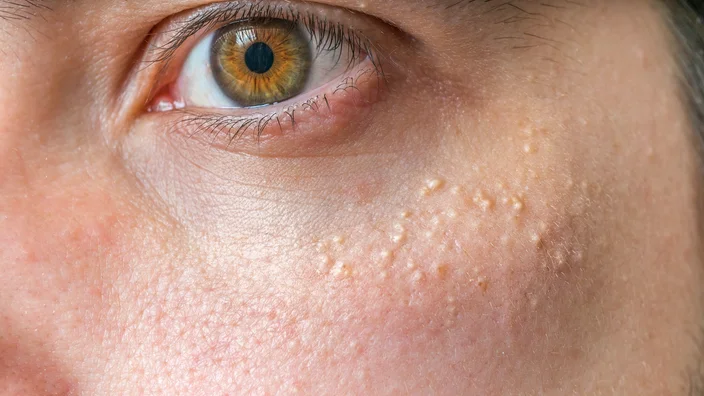
Milia Extraction Bridgewater NJ

Smooth, milia-free skin again

Dr. Patel removes milia in the office by making a tiny nick in each one and gently extracting it. Light laser or cautery are options too. Expect a little redness for a few days, then your skin is back to normal without the milia.

Milia Extraction | PS Dermatology and Surgery

Milia Extraction

What Are Milia?

Milia are small, white bumps that can appear on your face, often around the eyes and cheeks. While harmless, they can be a cosmetic concern. They come in two types.

Sebaceous Milia

Formed by a buildup of sebum, an oily substance produced by the skin.

Primary Milia

Develop during fetal development and usually appear on the cheeks and forehead of newborns. They typically disappear on their own within a few weeks.

Milia Removal Options

Milia extraction is the most effective way to remove these bumps. However, it's important to avoid at-home extraction attempts, which can lead to scarring or infection. Here are some safe options.

MethodTiny nick and extraction
RecoveryRedness up to a week
ResultsTreated milia are gone
PreventionTretinoin may help

Professional Extraction

A tiny nick and gentle extraction for each one. Quickest and most effective.

Light Laser or Cautery

Another way to remove them in the office.

Topical Treatments

Tretinoin can reduce new milia, but usually won't clear existing ones.

Milia are closed pores, so they cannot simply be squeezed out; each one needs a tiny nick before it is extracted. Expect some redness for a couple of days up to a week, and possibly minor bruising. Treated milia are gone, though new ones can form elsewhere on the face, and tretinoin can help keep new ones to a minimum over the years.

Important Considerations

  • Never attempt at-home extraction: milia extraction requires specialized tools and techniques to minimize the risk of infection and scarring. Leave it to the professionals.
  • Maintain a healthy skincare routine: a consistent skincare routine with gentle cleansing and proper moisturization can help prevent future milia development.
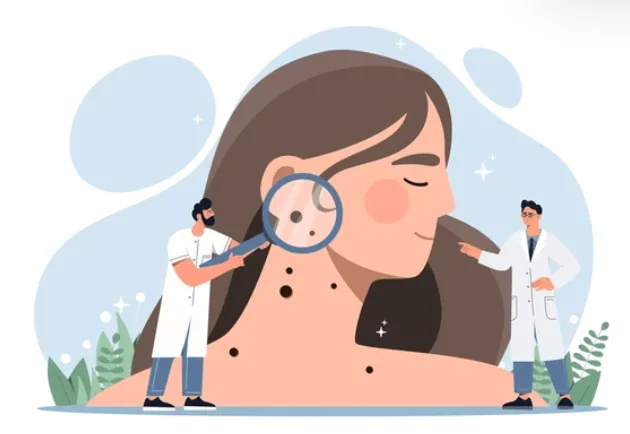
Frequently Asked Questions About Milia

Should I see a dermatologist to remove milia?

Yes. A board-certified dermatologist can remove milia quickly and safely with sterile tools, which avoids the scarring and infection risk that comes with squeezing them at home. Dr. Patel performs milia extraction as a routine in-office procedure.

How do you get rid of milia?

The most effective way is in-office extraction: Dr. Patel makes a tiny nick in each milium and extracts it. Milia can also be lightly lasered or cauterized. Creams such as tretinoin can help prevent new milia over time, but they usually do not clear milia that have already formed.

Can I remove milia at home?

We do not recommend it. Milia are closed pores, so squeezing does not work. They need to be nicked open and extracted with the right tools, and at-home attempts often lead to scarring or infection.

Do milia go away on their own?

Primary milia in newborns usually clear on their own within a few weeks. In adults, milia tend to persist, which is why in-office extraction is the reliable way to remove them.

Do milia come back after extraction?

The ones that are treated are gone. New milia can form in other areas of the face, and tretinoin may help reduce how often that happens.

Does tretinoin get rid of milia?

It can help minimize new milia over the years, but in Dr. Patel's experience creams usually do not work once milia have formed. Existing milia usually need to be extracted, or lightly lasered or cauterized.

What is recovery like after milia removal?

Expect some redness for a couple of days and up to a week, and possibly minor bruising for a couple of days. After that, your skin is back to normal without the milia.

Ready for Smoother, Bump-Free Skin?

Don't let stubborn milia affect your confidence around the delicate eye area. PS Dermatology & Surgery offers safe, professional extraction techniques to remove these white bumps and restore clearer, smoother skin.

Milia Extraction | PS Dermatology and Surgery
Call PS Dermatology 732-443-3975